Source Gra Certified Wedding Ring for Decoration, Gifts, Collection
Compare 30 listings for a gra certified wedding ring featuring 925 sterling silver, synthetic stones, and custom shapes. Buyers can evaluate options for wedding ceremonies, decorative purposes, and gift collections with verified specifications; compare the available evidence and request quotations based on your requirements.
Key considerations
Products List
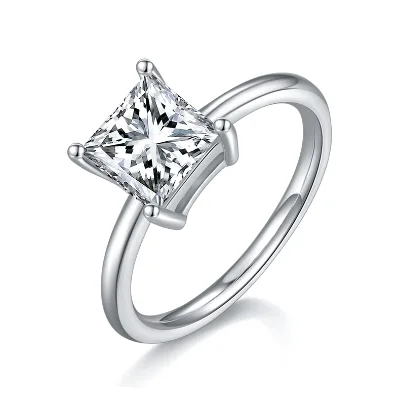


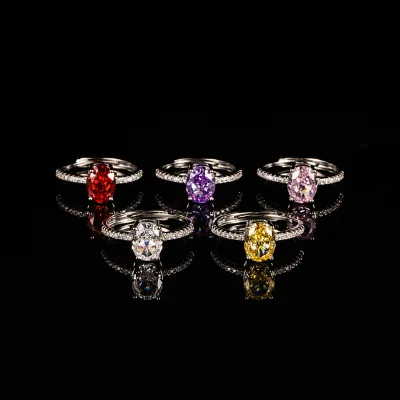


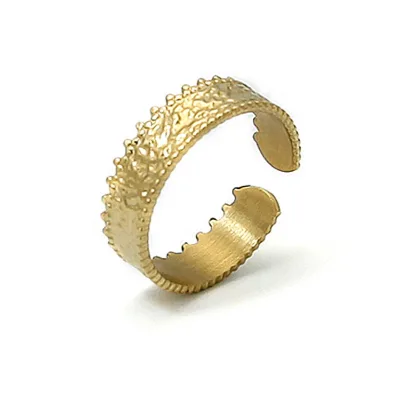


Comprehensive Sourcing Guide
Gra Certified Wedding Ring Sourcing Guide
Sourcing high-value jewelry requires a disciplined approach to verifying both material authenticity and certification integrity. Buyers must understand that "GRA" typically refers to specific gemological laboratories, though the provided data highlights IGI certification for similar products. This distinction is critical when evaluating suppliers who claim specific grading standards. Procurement teams should prioritize suppliers who provide transparent, verifiable certificates from recognized institutions rather than relying solely on marketing claims. The presence of synthetic or lab-grown diamonds in the market adds another layer of complexity, requiring precise documentation to ensure the product matches the buyer’s quality expectations and ethical sourcing policies.
The observed market signals indicate a diverse range of options, from simple geometric designs to more intricate oval cuts. Products listed often feature stainless steel or 925 sterling silver bases with various plating options, including gold and rhodium. This variety suggests that buyers can customize materials to fit different price points while maintaining a premium aesthetic. However, the core keyword implies a focus on certified stones, which may not be present in every listing. Buyers must carefully filter suppliers to find those who offer the specific certification and stone quality required for their brand, ensuring that the final product aligns with the perceived value of a "GRA certified" item in the wedding ring segment.
Product Scope and Observed Listing Signals
The current market landscape for wedding rings includes a wide array of styles, from simple geometric shapes to classic oval cuts. Listings frequently highlight customization options, allowing buyers to tailor logos, packaging, and specific design elements to their brand identity. Materials range from durable stainless steel to precious metals like 925 sterling silver and gold, often enhanced with plating techniques such as rhodium or rose gold. This flexibility enables buyers to source products that cater to diverse customer demographics, including female, male, and universal markets. The emphasis on simple styles and synthetic stones suggests a focus on affordability and modern aesthetics, appealing to consumers seeking contemporary wedding accessories without the premium cost of natural diamonds.
Packaging and presentation are significant factors in the observed listings, with options ranging from individual OPP bags to more protective bubble wrap and cardboard boxes. Standard dimensions like 5x7x8cm and 20x20x20cm indicate varied shipping and storage requirements, which can impact logistics costs. The availability of logo services and customized sizes further supports the needs of private label buyers who require distinct branding. However, buyers must verify that the "GRA certified" claim is explicitly supported by the supplier’s documentation, as many listings may not include third-party gemological certification. Understanding these signals helps buyers identify suppliers who can meet both aesthetic and compliance requirements for their specific market segment.
Technical Specifications to Verify
When evaluating technical specifications, buyers must confirm the exact material composition and plating thickness to ensure durability and aesthetic consistency. The provided data indicates options for 925 sterling silver, stainless steel, and gold, each with different maintenance requirements and longevity profiles. Plating options such as rhodium, rose gold, and 14K yellow gold add visual appeal but require verification of adhesion standards to prevent premature wear. For rings featuring stones, the cut, clarity, and color grades must be explicitly stated and verified against the provided certificate. Buyers should request detailed specifications for synthetic or lab-grown diamonds, including their specific grading criteria, to ensure they meet the expected quality standards for wedding jewelry.
Size and fit are critical technical aspects that require careful attention, especially for rings intended for wedding ceremonies. Customized sizing options are available, but buyers must establish clear tolerance levels to ensure a comfortable fit for end consumers. The observed listings mention specific models and standard dimensions, which can serve as a baseline for production. However, buyers should verify the manufacturing process, such as casting or polishing, to understand the potential for defects or inconsistencies. Additionally, the presence of synthetic stones requires clear labeling and documentation to comply with consumer protection laws. Verifying these technical details upfront helps prevent returns and ensures that the final product meets the high expectations associated with wedding rings.
Compliance and Safety Documentation
Compliance with safety and labeling regulations is paramount when sourcing wedding rings, particularly those containing metals and synthetic stones. Buyers must ensure that suppliers provide documentation confirming the absence of harmful substances, such as nickel, which can cause allergic reactions. The observed data indicates that some products are marketed as hypoallergenic, but this claim must be backed by relevant test reports. For rings with gemstones, the distinction between natural and synthetic materials must be clearly communicated to avoid misleading consumers. Buyers should require suppliers to adhere to international standards for jewelry safety, ensuring that all materials are safe for prolonged skin contact and meet the regulatory requirements of the target market.
Certification plays a crucial role in establishing trust and value, especially for rings featuring diamonds or other precious stones. While the provided data mentions IGI certification, buyers must verify if the supplier can provide equivalent or preferred certification from other recognized laboratories. The certificate should detail the stone’s characteristics, including cut, clarity, color, and carat weight, to ensure accuracy. Buyers should also check for any additional compliance documents, such as conflict-free sourcing declarations, which are increasingly important to consumers. Ensuring that all documentation is up-to-date and verifiable helps mitigate legal risks and enhances the brand’s reputation for integrity and quality in the competitive wedding jewelry market.
Cost Drivers and Commercial Terms
Cost drivers in the wedding ring market are influenced by material choices, certification fees, and customization requirements. Precious metals like gold and 925 sterling silver inherently carry higher costs than stainless steel, while plating adds to the production expense. The inclusion of synthetic diamonds and specific cuts can also impact pricing, depending on the quality and grading. Buyers should analyze the cost structure to understand how these factors affect the final price point. Additionally, customization services, such as logo engraving or unique packaging, may incur additional fees. Understanding these drivers allows buyers to negotiate effectively and align product costs with their target retail margins, ensuring profitability while maintaining competitive pricing.
Commercial terms, including minimum order quantities (MOQ) and lead times, significantly impact procurement planning. The observed data suggests a wide range of MOQs, from small batches to larger orders, providing flexibility for different business models. Lead times vary, with some suppliers offering quick turnaround times of 5-7 working days, which is beneficial for urgent orders. Buyers must balance these terms with their inventory needs and cash flow constraints. Clear communication regarding payment terms, shipping costs, and return policies is essential to avoid misunderstandings. By carefully evaluating these commercial aspects, buyers can establish sustainable supply chain relationships that support their business goals and operational efficiency.
Supplier Qualification and Quality Control
Supplier qualification is a critical step in ensuring the reliability and consistency of wedding ring sourcing. Buyers should conduct thorough due diligence to verify the supplier’s manufacturing capabilities, quality control processes, and track record. This includes assessing their ability to handle customization requests and maintain consistent product quality across batches. Suppliers with established quality control measures, such as pre-shipment inspections and material testing, are preferable. Buyers should also evaluate the supplier’s responsiveness and communication skills, as these factors are crucial for resolving issues promptly. By selecting qualified suppliers, buyers can minimize risks and ensure that the products meet their high standards for wedding jewelry.
Quality control procedures must be rigorously applied to every batch of wedding rings to maintain brand integrity. Buyers should implement incoming inspection protocols to verify material composition, plating quality, and stone certification. Random sampling and detailed checks for defects, such as scratches or misalignments, are essential. Additionally, buyers should monitor the supplier’s adherence to agreed-upon specifications and packaging standards. Establishing a clear feedback loop with the supplier allows for continuous improvement and issue resolution. By prioritizing quality control, buyers can ensure that their wedding rings meet customer expectations and reduce the likelihood of returns or complaints, thereby protecting their brand reputation.
Long-Term Procurement Checks
Long-term procurement success requires ongoing monitoring of supplier performance and market trends. Buyers should regularly review supplier metrics, such as on-time delivery rates, defect rates, and responsiveness to issues. This data-driven approach helps identify potential problems early and allows for proactive management of the supply chain. Additionally, buyers should stay informed about changes in material costs, certification requirements, and consumer preferences. Adapting to these changes ensures that the product offering remains competitive and relevant. By maintaining a strategic focus on supplier relationships and market dynamics, buyers can sustain their competitive advantage in the wedding ring market.
Continuous improvement initiatives should be integrated into the procurement process to enhance efficiency and product quality. Buyers should encourage suppliers to adopt new technologies and best practices that can reduce costs and improve sustainability. Regular audits and performance reviews can help identify areas for improvement and foster a culture of excellence. Furthermore, buyers should explore opportunities for collaboration with suppliers to develop new products or enhance existing ones. By investing in long-term relationships and continuous improvement, buyers can build a resilient supply chain that supports their business growth and meets the evolving needs of their customers in the wedding jewelry sector.
FAQs
What materials are used for these wedding rings?
The rings are crafted from stainless steel and 925 sterling silver. Some options feature gold plating or rhodium plating. The material purity is confirmed at 92.5% for silver items, ensuring durability and a premium finish for wedding ceremonies.
Can I request a customized logo on the ring?
Yes, logo service is offered for these products. Buyers can request acceptable customized logos on the jewelry. This customization allows for personalization while maintaining the simple style and square or geometry shapes available in the collection for female or male wearers.
What is the delivery time for these rings?
The standard delivery time is five to seven working days. This lead time applies to orders placed for the specific models listed. Buyers should note that sizes are customized, which may influence the final production schedule before shipping from the origin.
Which certifications are available for the diamond rings?
IGI certification is available for specific diamond ring models. These rings feature synthetic lab-grown diamonds with very good cut and VVS clarity. The certification ensures quality standards are met for the artificial diamonds used in the decoration and collection items.
What are the packaging details for the orders?
Items are packed individually in OPP bags with bubble wrap and cartons. Some models come in cardboard boxes for added protection. The standard packing ensures safe transport while keeping the simple style and gold plating intact during shipping to the destination.
Are these rings suitable for children or universal use?
Yes, the rings are suitable for females, males, children, and universal use. They are designed with a simple style and no allergic properties. The customization options allow for various sizes, making them versatile for different demographics and occasions like weddings or gifts.
What stone types are used in the jewelry collection?
The collection uses synthetic stones and artificial diamonds. Specific models feature lab-grown diamonds with D color and VS clarity. These stones are set using gem mounting and casting processes to create durable rings suitable for decoration, gifts, and collection purposes.